Day: November 9, 2026

Vasy Casino laufende Aktionen für Bestandskunden mit 25-facher UmsatzbedingungVasy Casino laufende Aktionen für Bestandskunden mit 25-facher Umsatzbedingung

Wer regelmäßig spielt, findet bei Vasy Casino mehr als den einmaligen Neukundenbonus: Reload-Boni, wiederkehrende Freispiele, Netzwerk-Turniere und ein Loyalitätsprogramm mit über 100 Stufen. Der klarste Vorteil ist die Umsatzbedingung von 25-fach auf die Reload-Boni, die zusammen mit der Gültigkeit von sieben Tagen den Rahmen vorgibt. Wer die Bedingungen kennt, kann die Aktionen gezielt nutzen.

Die Seite vasycasino-online-de.com beschreibt das Angebot des Anbieters, der von Mountberg B.V. betrieben wird und über eine Curaçao-Lizenz verfügt. Für Bestandskunden zählen vor allem die laufenden Aktionen, denn der erste Einzahlungsbonus ist nur der Einstieg. Welche Aktion am ehesten etwas bringt, hängt davon ab, ob man Slots oder Live-Casino spielt und wie viel Zeit man für den Umsatz einplant.

Reload-Boni, Freispiele und Turniere für aktive Spieler

Vasy Casino setzt auf mehrere Schienen gleichzeitig. Aktive Spieler erhalten Reload-Boni, dazu kommen wiederkehrende Freispiel-Aktionen. Beides läuft ohne feste Ankündigung im Text, die konkreten Konditionen stehen jeweils in den Bonusbedingungen. Dazu kommen Drops-and-Wins-Netzwerk-Turniere sowie weitere Netzwerk-Turniere über das Jahr verteilt. Wer dem E-Mail-Marketing zugestimmt hat, bekommt zusätzlich exklusive Bonusangebote per Mail.

Für die Einordnung lohnt ein Blick auf die Staffelung der ersten Einzahlungen, weil sie zeigt, wie der Anbieter rechnet. Die zweite Einzahlung bringt einen 100-Prozent-Bonus bis 250 €, die dritte einen 100-Prozent-Bonus bis 500 €. Beide tragen 25-fache Umsatzbedingung, der Bonus gilt sieben Tage. Die allgemeine Mindesteinzahlung liegt bei 20 €, bestimmte Zahlungsmethoden sind von den Einzahlungsaktionen ausgeschlossen.

Am ehesten lohnt sich aus unserer Sicht das Loyalitätsprogramm Road to Fortune. Es umfasst mehr als 100 Stufen, belohnt das Spielen mit Reload-Boni, Freispielen und weiteren Vorteilen beim Stufenaufstieg, und die Treueprämien werden als umsatzfrei beworben. Dazu kommt, dass Spieler mit höherem Status höhere Auszahlungslimits erreichen können. Der Grund für diese Einschätzung ist schlicht: Eine Prämie ohne Umsatzbedingung ist mehr wert als eine mit, und die 25-fache Bedingung der Reload-Boni ist der Maßstab, an dem sich alles andere messen muss.

Die Freispiele sind ein eigener Punkt. Beim Neukundenangebot mit 300 Freispielen auf East Coast vs West Coast sind die Gewinne umsatzfrei, das gilt für die Freispiel-Aktionen des Willkommenspakets. Ob die wiederkehrenden Freispiele für Bestandskunden dieselbe Regel tragen, steht nicht in den Angaben des Anbieters, ein Blick in die jeweiligen Bonusbedingungen klärt das.

Umsatzbedingungen, Fristen und Mindestbeträge im Überblick

  • Zweite Einzahlung: 100 % Bonus bis 250 €, 25-fache Umsatzbedingung, sieben Tage Gültigkeit.
  • Dritte Einzahlung: 100 % Bonus bis 500 €, ebenfalls 25-fache Umsatzbedingung und sieben Tage.
  • Allgemeine Mindesteinzahlung: 20 €; für die 300 Freispiele auf East Coast vs West Coast liegt die Mindesteinzahlung bei 100 €.
  • Loyalitätsprogramm Road to Fortune: mehr als 100 Stufen, Treueprämien werden als umsatzfrei beworben, höhere Statusstufen können höhere Auszahlungslimits bedeuten.
  • Lizenz und Betreiber: Curaçao-Lizenz, Betreiber Mountberg B.V.; die Lizenz stammt nicht aus Deutschland.

Beispielrechnung: was 25-fach auf einen Reload-Bonus bedeutet

Ein hypothetisches Beispiel macht die Größenordnung greifbar. Angenommen, ein Spieler zahlt 100 € ein und nimmt den 100-Prozent-Bonus der zweiten Einzahlung in Anspruch. Dann stehen 100 € Bonusgeld zur Verfügung, und es entstehen 200 € Spielguthaben aus Einzahlung und Bonus zusammen. Die Angaben des Anbieters legen nicht fest, ob sich die 25-fache Bedingung auf den Bonus allein oder auf Einzahlung plus Bonus bezieht, das entscheiden die Bonusbedingungen.

Rechnen wir beide Varianten durch, weil der Unterschied erheblich ist. Bezieht sich die Bedingung nur auf den Bonus, sind 2.500 € umzusetzen, also 25 mal 100 €. Zählt die Einzahlung mit, sind es 5.000 €, also 25 mal 200 €. Bei einer Gültigkeit von sieben Tagen müssten im zweiten Fall rechnerisch rund 715 € pro Tag umgesetzt werden. Das ist eine Menge Spielumsatz, und er entsteht nicht aus Gewinnen, sondern aus Einsätzen.

Genau hier liegt der Punkt, an dem sich Reload-Boni und das Loyalitätsprogramm unterscheiden. Eine als umsatzfrei beworbene Treueprämie verlangt diesen Umsatz nicht. Wer die 25-fache Bedingung vermeiden will, schaut deshalb zuerst, ob eine Aktion ohne Umsatzauflage läuft, und liest die Frist im Blick. Wer den Bonus trotzdem nimmt, sollte die sieben Tage als echte Frist behandeln und nicht als ungefähre Angabe.

Stärken und Schwächen der laufenden Aktionen

Die Pluspunkte liegen auf der Hand: Das Loyalitätsprogramm mit über 100 Stufen und als umsatzfrei beworbenen Prämien ist für Vielspieler der interessanteste Teil. Die Reload-Boni mit 25-facher Bedingung sind klar beziffert, die Frist von sieben Tagen ist eindeutig. Dazu kommen Turniere über das Drops-and-Wins-Netzwerk und weitere Netzwerk-Turniere, die ohne zusätzliche Einzahlung laufen können, sowie exklusive Mail-Angebote für alle, die dem Versand zugestimmt haben.

Auf der anderen Seite stehen Punkte, die Spieler aus öffentlichen Beschwerden kennen. In Beschwerden tauchen Streitigkeiten zur Bonusverfolgung auf, darunter Freispielgewinne, die gekürzt wurden, und ein Umsatzfortschritt, der nicht aktualisiert wurde. Solche Berichte treffen genau den Kern der laufenden Aktionen, weil dort Freispiele und Umsatzbedingungen zusammenkommen. Wer eine Aktion annimmt, sollte den Fortschritt im Konto im Blick behalten.

Weitere Beschwerden betreffen verzögerte Auszahlungen und offene Auszahlungen, Probleme bei der Verifizierung samt abgelehnten Dokumenten sowie eine als kritisch beschriebene Erreichbarkeit des Supports, in einem Fall mit dem Vorwurf, der Chat sei während eines Zahlungsstreits blockiert worden. Diese Punkte berühren die Aktionen indirekt: Wer nach einem Bonus auszahlen will, landet beim Verifizierungsprozess. Wie der Anbieter dokumentiert, welche Unterlagen er verlangt, steht nicht in den Angaben; das klärt der Support oder das Cashier.

Diese Bedingungen vor der Einzahlung prüfen

  • Ob sich die 25-fache Umsatzbedingung auf den Bonus allein oder auf Einzahlung plus Bonus bezieht.
  • Ob die wiederkehrenden Freispiele für Bestandskunden umsatzfreie Gewinne bringen oder nicht.
  • Welche Zahlungsmethoden von den Einzahlungsaktionen ausgeschlossen sind.
  • Ob der Umsatzfortschritt im Konto sichtbar mitläuft und wie er sich bei Freispielen verhält.
  • Ob die sieben Tage ab Aktivierung oder ab Einzahlung gelten.
  • Welche Unterlagen die Verifizierung verlangt, bevor eine Auszahlung bearbeitet wird.

Für wen sich die Aktionen lohnen und für wen nicht

Wer regelmäßig Slots spielt und den Umsatz in sieben Tagen schaffen kann, findet im Loyalitätsprogramm Road to Fortune den stärksten Hebel, weil die Prämien als umsatzfrei beworben werden und höhere Statusstufen höhere Auszahlungslimits in Aussicht stellen. Wer ohnehin viel spielt, profitiert zusätzlich von den Turnieren und den Mail-Angeboten. Wer dagegen nur gelegentlich einzahlt und den Umsatz nicht plant, für den sind die Reload-Boni mit 25-facher Bedingung und sieben Tagen Frist ein Risiko, weil das Bonusgeld dann schnell verfällt.

Unsere Einschätzung für diesen Bereich: Die laufenden Aktionen sind breit aufgestellt und die umsatzfreien Treueprämien sind der ehrlichste Teil des Angebots. Die Bonusverfolgung und die Verifizierung sind dagegen die Stellen, an denen Spieler in öffentlichen Berichten hängen bleiben. Betreiber ist Mountberg B.V., die Lizenz kommt von Curaçao eGaming und ist keine deutsche Lizenz.

Glücksspiel ist nur für Erwachsene, also 18+. Bei Problemen mit dem Spielen gibt es in Deutschland kostenlose und vertrauliche Beratungsangebote, die ohne Angabe von Gründen helfen. Spielen Sie nur mit Geld, dessen Verlust Sie verkraften können, und nehmen Sie einen Bonus nicht zum Anlass, mehr einzuzahlen als geplant.

Dieser Text stützt sich auf Angaben des Betreibers sowie auf öffentliche Bewertungen und Spielerberichte; eine eigene Einzahlung oder Auszahlung haben wir nicht vorgenommen. Stand der Aktualisierung ist November 2026. Wo dieser Text und die Bedingungen des Anbieters voneinander abweichen, gelten die Bedingungen des Anbieters. Prüfen Sie vor der nächsten Einzahlung die aktuellen Bonusbedingungen im Konto.

Ruby Reels Casino: Quick-Hit Sessions for Players Who Chase Fast OutcomesRuby Reels Casino: Quick-Hit Sessions for Players Who Chase Fast Outcomes

Some players want a marathon. Others want a sprint. This piece is about the second group — the ones who open Ruby Reels, pick a game, and want to know within a few minutes whether the session is going anywhere. If that sounds familiar, you’ll recognise most of what follows. If you’re a slow grinder who likes three-hour sessions, this probably isn’t your crowd.

The pattern is consistent: short visits, high intensity, decisions made in seconds rather than minutes. Players in this mode treat each session like a single hand of cards. Get in, see what happens, get out. To learn more about how that style fits the platform, keep reading — this is written for that specific rhythm, not for everyone.

What a Quick-Hit Session Actually Looks Like

A typical visit starts on mobile, usually during a gap in the day. The browser loads, the lobby appears, and the player is already scrolling. No downloads, no app install, no waiting — the mobile-optimised site works on iPhone, Android, and tablets through the browser alone, which matters enormously when your session might only last ten minutes.

The game choice is rarely agonised over. Players in this mode tend to pick from what’s visible, not from what’s buried. With 15,000+ titles in the portfolio, nobody is browsing the full catalogue during a short visit. The behaviour looks more like this:

  • Open the lobby and scan the first few rows of slots
  • Pick something with a familiar name or a loud thumbnail
  • Set a stake quickly — usually a round number
  • Run a fixed number of spins or rounds, then decide

That last point is the defining feature. Quick-outcome players often arrive with an informal stop point in mind, even if they never write it down. Twenty spins. Fifty. One crash round at 2x. The number itself matters less than the fact that it exists.

Why crash games suit this rhythm

Crash titles are almost purpose-built for short, intense play. One decision — when to cash out — determines the entire outcome, and it happens in seconds. A player can complete five or six rounds in the time it takes to read a slot’s paytable. That compression is exactly what this style of player is after.

The Decision Pace: Seconds, Not Minutes

Watch a high-intensity player on a table game and you’ll notice something: they barely pause. Blackjack hands get dealt and decided almost reflexively. Roulette bets land on the same numbers or the same outside positions spin after spin. Baccarat becomes a rhythm of banker, player, banker.

This isn’t carelessness. It’s a different relationship with risk. These players aren’t trying to optimise expected value over hundreds of hands — they’re trying to extract a result from a short window. The thinking is closer to a sprinter than a chess player.

Ruby Reels accommodates that pace well because the lobby doesn’t force detours. Live casino tables from providers like Playtech and ICONIC21 load quickly, and instant win titles remove even the spin animation from the equation. When the whole point is a fast outcome, dead time is the enemy.

Where risk tolerance sits

Quick-session players tend to run hotter than average. Stakes are often higher relative to bankroll, and the willingness to chase a multiplier is real. But there’s a counterweight: because sessions are short, the total exposure per visit stays contained. A player who stakes aggressively for fifteen minutes has usually risked less than a cautious player who grinds for two hours.

That trade-off — intensity up, duration down — is the core of the pattern. It’s not reckless, and it’s not conservative. It’s concentrated.

Repeated Visits Beat Long Sittings

Here’s the part that surprises people who don’t play this way: the sessions aren’t one long block. They’re scattered. A few minutes in the morning. Another burst at lunch. Maybe a longer stretch in the evening if a tournament or a promotion is running.

This is where mobile play and short-session behaviour reinforce each other. The Ruby Reels Casino Mobile experience loads in a browser tab, so there’s no friction between “I have five minutes” and “I’m playing.” Players in this mode often have three or four brief visits in a day rather than one committed session.

The practical effect on decision-making is noticeable. Each visit resets the mental ledger. A player who lost quickly at lunch doesn’t carry that frustration into the evening the way a long-session grinder might. Short visits create natural breaks, and those breaks function as informal discipline.

  • Morning visit: a handful of spins on a favourite slot
  • Midday visit: one or two crash rounds
  • Evening visit: a live table or a tournament entry

None of these require planning. That’s the appeal.

Using Bonuses Without Slowing Down

Promotions can either feed this play style or fight it. A bonus with heavy wagering and a long list of restricted games slows everything to a crawl. Players who chase quick outcomes tend to ignore those entirely — or claim them and immediately regret it.

The Ruby Reels Casino Bonus structure is worth understanding before you claim anything, because the fit depends on the offer. The welcome package — up to AU$5,000 plus 200 free spins at x40 wagering — is substantial, but it’s not a fifteen-minute proposition. Nobody clears x40 in a short session. Treat it as a background project, not a sprint.

The smaller recurring promos suit the pattern better. Wednesday free spins on Coins of Zeus, Sunday spins on Elvis Frog in Vegas, a Tuesday reload — these are claim-and-play offers. You deposit, you get spins, you use them in the same short visit. No lingering commitment.

What to check before opting in

Some promotional terms on the site are less clear than they could be, which is a known gripe in Ruby Reels Casino Review discussions. For a quick-session player, the checklist is short:

  • Does the bonus apply to the game I actually want to play right now?
  • Is the wagering requirement realistic for how long I stay?
  • Will claiming it lock my balance in a way that slows withdrawal?

If any answer is unfavourable, skip it. A fast session doesn’t need a bonus badly enough to compromise the pace.

Banking That Keeps Up With the Pace

Nothing kills a short session like a slow cashout. Players who visit briefly and win want the money moving before the momentum fades — and ideally before the next visit.

Ruby Reels processes withdrawals within 24 hours, with e-wallets being the fastest route. Crypto is also supported, with a low entry point for crypto rewards and a range of coins including BTC, ETH, and USDT. For Australian players, the standard minimum deposit sits at AU$30, and there are no deposit or withdrawal fees on either side.

The caps are worth knowing: AU$7,500 weekly and AU$22,500 monthly. For a quick-hit player, those ceilings are rarely relevant — short sessions don’t usually produce massive balances — but they’re part of the picture if a crash round goes spectacularly well.

Bank transfers take a few business days. E-wallets don’t. If speed is the whole point of your play style, the choice is obvious.

Keeping the Sprint Sustainable

Short, intense sessions have one genuine risk: the intensity can creep. A fifteen-minute visit becomes thirty. Stakes drift upward because the last round felt close. The stop point that existed in your head quietly disappears.

The players who handle this pattern well tend to share a few habits. They decide the session’s total exposure before the first spin, not after the third loss. They use the natural breaks between visits as real breaks, not as opportunities to reload. And they treat a fast loss as a completed session rather than an unfinished one.

The 15-level VIP Club is a useful side effect here — points accumulate across visits, so short sessions still build toward cashback and free spins over time. Progression happens in the background while the foreground stays fast.

A realistic example

Say a player opens the site on their phone at 8pm with AU$100 set aside. They run twenty spins on a slot at AU$1, hit nothing, and stop. Total time: four minutes. They’re back the next morning for a couple of crash rounds. Over a week, that’s maybe two hours of play spread across a dozen visits — and the bankroll never took a single big hit.

That’s the pattern working as intended. Intensity without duration. Concentration without commitment.

Ready to Play at Your Own Pace? Start Here

If fast outcomes, brief visits, and decisions made in seconds describe how you actually like to play, Ruby Reels is built for that rhythm — mobile-first, quick to load, and full of games that resolve before your coffee goes cold. Claim the welcome offer, set your stop point before the first spin, and keep every session short enough to stay sharp.

Get 100% Bonus + 100 Free Spins Now!

VIP-Programm von HighFly Casino: 16 Stufen und Rakeback für regelmäßige SpielerVIP-Programm von HighFly Casino: 16 Stufen und Rakeback für regelmäßige Spieler

Das VIP-Programm von HighFly Casino lohnt sich vor allem für Spieler, die ohnehin regelmäßig und mit höheren Beträgen spielen, denn die Belohnungen wachsen mit dem Umsatz. Auf 16 Stufen von Bronze bis Platinum sammeln Spieler Punkte, erhalten exklusive Boni, Rakeback und persönliche Betreuung.

Wer sich über das Angebot informieren möchte, findet auf highflyspielen.de eine Übersicht zum Casino. Die Treuepunkte gibt es für jeden platzierten Einsatz von 20 Euro, unabhängig vom Spielausgang. Das bedeutet: Wer viel einzahlt und setzt, steigt schneller auf, aber die Belohnungen sind selbst an Bedingungen geknüpft.

Die wichtigsten Eckdaten zum Treueprogramm

  • Das VIP-Programm hat 16 Stufen, die von Bronze über Silber und Gold bis Platinum reichen.
  • Treuepunkte sammeln Spieler für jeden Einsatz von 20 Euro, egal ob Gewinn oder Verlust.
  • Zu den Belohnungen zählen exklusive Boni, zusätzliche Aktionen und Rakeback.
  • Der Willkommensbonus über drei Einzahlungen und die laufenden Aktionen unterliegen einer Umsatzbedingung von 35x.
  • Betrieben wird HighFly Casino von Terdersoft B.V. unter einer Curaçao-Lizenz.

Was das Programm für Vielspieler besonders macht

Der Aufbau in 16 Stufen ist ungewöhnlich fein gegliedert. Zwischen Bronze und Platinum liegen viele Zwischenebenen, sodass Spieler auch bei mäßigem Umsatz Fortschritte sehen. Das ist ein Vorteil gegenüber Programmen mit nur drei oder vier Stufen: Der nächste Aufstieg ist oft nicht weit entfernt.

Die Belohnungen sind konkret benannt: exklusive Boni, zusätzliche Promotionen und Rakeback. Rakeback bedeutet, dass ein Teil des Einsatzes zurückfließt, unabhängig vom Spielergebnis. Wer regelmäßig spielt, bekommt so einen Teil des Einsatzes zurück, was den langfristigen Einsatz etwas abfedert.

Ein weiterer Pluspunkt ist die Kombination mit den laufenden Aktionen. Wöchentliches Cashback bis 25 Prozent, ein Highroller-Bonus von 50 Prozent bis 500 Euro und der Sunday Reload von 25 Prozent bis 100 Euro ergänzen das Treueprogramm. Wer bereits in einer höheren Stufe ist, kann diese Angebote zusätzlich nutzen.

Uns gefällt besonders, dass die Punkte für jeden Einsatz von 20 Euro vergeben werden, nicht nur für Einzahlungen. Das belohnt aktives Spiel und nicht bloß das Aufladen des Kontos. Allerdings sollten Spieler beachten, dass die Belohnungen aus dem VIP-Programm ebenfalls an Bedingungen geknüpft sein können. Die genauen Konditionen stehen in den Bonusbedingungen, die vor der Annahme geprüft werden sollten.

Worauf du beim Sammeln von Treuepunkten achten solltest

  • Die Umsatzbedingung von 35x gilt für den Willkommensbonus und die laufenden Aktionen. Ob nur der Bonus oder Bonus plus Einzahlung umgesetzt werden müssen, regeln die Bonusbedingungen.
  • Treuepunkte gibt es für jeden Einsatz von 20 Euro. Wer weniger setzt, sammelt entsprechend langsamer.
  • Die Belohnungen aus dem VIP-Programm können eigenen Bedingungen unterliegen. Diese stehen nicht in der Programmübersicht, sondern in den jeweiligen Aktionsbedingungen.
  • Die Mindesteinzahlung von 20 Euro gilt für Boni. Wer weniger einzahlt, erhält keinen Bonus und sammelt entsprechend weniger Punkte.

Wer das Programm nutzen will, sollte den eigenen Einsatz im Blick behalten. Die Punktevergabe für jeden 20-Euro-Einsatz bedeutet, dass Spieler mit höheren Einsätzen schneller aufsteigen. Wer nur gelegentlich spielt, wird die oberen Stufen kaum erreichen.

Glücksspiel ist nur für Erwachsene (18+). Wenn du Hilfe bei Spielproblemen brauchst, wende dich an kostenlose und vertrauliche Beratungsstellen in deinem Land. Spiele nur mit Geld, dessen Verlust du verkraften kannst, und lass dich von einem Bonus nicht zu einer höheren Einzahlung verleiten als geplant.

Ein Rechenbeispiel zum Treuepunktesammeln

Angenommen, du zahlst 100 Euro ein und setzt dieses Geld vollständig ein. Bei einem Einsatz von 20 Euro pro Treuepunkt sammelst du dafür 5 Punkte. Wer den Willkommensbonus von 100 Prozent bis 500 Euro nutzt und 100 Euro einzahlt, erhält 100 Euro Bonusgeld dazu.

Die Umsatzbedingung von 35x bezieht sich auf den Bonusbetrag. Bei 100 Euro Bonusgeld ergibt das 3.500 Euro, die umgesetzt werden müssen, bevor eine Auszahlung möglich ist. Ob zusätzlich die Einzahlung umgesetzt werden muss, steht in den Bonusbedingungen.

Für das VIP-Programm heißt das: Wer diese 3.500 Euro umsetzt, sammelt dabei 175 Treuepunkte. Das ist eine hypothetische Rechnung, die zeigt, wie Einsatz und Punkte zusammenhängen. Je höher der umgesetzte Betrag, desto schneller steigt man in den Stufen auf.

Für wen sich das VIP-Programm eignet

Das Programm passt zu Spielern, die regelmäßig spielen und dabei höhere Beträge einsetzen. Wer die Stufen erklimmen will, sollte bereit sein, entsprechend Umsatz zu machen. Die feine Gliederung in 16 Stufen belohnt auch moderate Fortschritte.

Weniger geeignet ist das Programm für Gelegenheitsspieler, die nur ab und zu ein paar Euro setzen. Sie werden die oberen Stufen kaum erreichen und profitieren nur begrenzt von den Belohnungen. Auch wer vor allem auf schnelle Auszahlungen ohne Bonusbedingungen Wert legt, sollte die Bedingungen genau prüfen.

Lizenz, Betreiber und unser Fazit zum Treueprogramm

HighFly Casino wird von Terdersoft B.V. betrieben und verfügt über eine Curaçao-Lizenz, die nicht aus Deutschland stammt. Vor einer Einzahlung lohnt es sich, die Bonusbedingungen zu lesen und den Kundensupport zu den Bedingungen des VIP-Programms zu befragen. Die genauen Konditionen für Rakeback und exklusive Boni stehen nicht in der Programmübersicht.

Unser Fazit: Das VIP-Programm mit 16 Stufen ist ein durchdachtes Angebot für regelmäßige Spieler. Die Punktevergabe für jeden 20-Euro-Einsatz und die Kombination mit Cashback und Reload-Boni machen es attraktiv für alle, die ohnehin viel spielen. Wer nur gelegentlich spielt, sollte die Erwartungen an die Belohnungen jedoch zurückschrauben.

Dieser Text stützt sich auf Angaben des Betreibers und öffentlich zugängliche Informationen. Er wurde zuletzt im November 2026 aktualisiert. Wir haben selbst keine Einzahlung oder Auszahlung vorgenommen. Wo dieser Text und die Bedingungen des Betreibers voneinander abweichen, gelten die Bedingungen des Betreibers.

Wie funktioniert der Kundensupport bei HitNSpin Casino und wie löse ich Probleme?Wie funktioniert der Kundensupport bei HitNSpin Casino und wie löse ich Probleme?

Der Live-Chat ist bei HitNSpin Casino rund um die Uhr besetzt und in mehreren Sprachen verfügbar, das ist der schnellste Weg bei Fragen zum Konto. Betrieben wird das Angebot von Twicedice B.V. unter einer Curaçao-Lizenz, die nicht aus Deutschland stammt. Wer vor einer Kontaktaufnahme weiß, welche Angaben gebraucht werden, spart sich eine zweite Nachricht. Auf der Seite hit-n-spin-casino-offiziell.de finden sich zusätzliche Angaben zum Anbieter.

Probleme lösen lässt sich am ehesten, wenn eine Anfrage konkret ist: Transaktionsnummer, Zeitpunkt und eine kurze Schilderung gehören in die erste Nachricht. Öffentliche Rückmeldungen von Spielern fallen gemischt aus, einige berichten von Antworten, die wie Textbausteine wirken, andere von hilfreichen Rückmeldungen. Beides steht nebeneinander, ein eindeutiges Bild ergibt sich daraus nicht.

Die wichtigsten Angaben zum Support und zum Konto

  • Live-Chat rund um die Uhr, nach Angaben des Anbieters in mehreren Sprachen, Deutsch gehört zu den 15 Website-Sprachen.
  • Betreiber: Twicedice B.V., Lizenz der Curaçao Gaming Control Board.
  • Verifizierung läuft fallweise ab, welche Unterlagen verlangt werden, legt der Anbieter im Einzelfall fest.
  • Auszahlungen können sich ziehen, laut öffentlichen Berichten teils mehrere Tage.
  • Bei einigen Krypto-Auszahlungen berichten Spieler von Gebühren in Höhe von 7 bis 8 Prozent.

Schritt für Schritt zum geklärten Anliegen

  1. Anliegen eingrenzen: Geht es um eine Einzahlung, eine Auszahlung, einen Bonus oder den Zugang zum Konto? Je genauer die Frage, desto kürzer die Antwort.
  2. Belege bereithalten: Transaktions-ID, Datum, Betrag, Zahlungsmethode und gegebenenfalls einen Screenshot aus dem Kassenbereich.
  3. Bonuszusammenhang prüfen: Ein Guthaben aus dem Willkommenspaket unterliegt einer Umsatzbedingung von 40x, Einsätze im Live-Casino, an Tischspielen und bei Instant Games zählen nicht mit, der Höchsteinsatz mit Bonus liegt bei 5 €.
  4. Den Live-Chat öffnen und die Anfrage in einem Satz zusammenfassen, danach die Belege nachreichen.
  5. Antwort und Zeitpunkt notieren, am besten mit Screenshot, damit sich der Verlauf später nachvollziehen lässt.
  6. Bleibt eine Auszahlung aus, die Vorgangsnummer aus dem Kassenbereich mitschicken und nachfragen, ob die Verifizierung noch offen ist.

Stolpersteine bei Bonus, Verifizierung und Auszahlung

  • Boni gelten fünf Tage. Wer die Frist verstreichen lässt, verliert das Guthaben, ohne dass es dafür eine gesonderte Warnung braucht.
  • Die Umsatzbedingung von 40x bezieht sich auf das Bonusguthaben. Ob zusätzlich der Einzahlungsbetrag umgesetzt werden muss, regeln die Bonusbedingungen, dort steht die genaue Grundlage.
  • Die Verifizierung kann sich hinziehen und laut Spielerberichten bis zur Sperrung eines Kontos führen. Unterlagen deshalb frühzeitig einreichen, nicht erst kurz vor der ersten Auszahlung.
  • Bei Krypto-Auszahlungen tauchen in öffentlichen Berichten Gebühren von 7 bis 8 Prozent auf. Wer knapp kalkuliert, sollte diesen Abzug vor der Auszahlung einplanen.

Ein hypothetisches Beispiel: Wer 100 € einzahlt und den Bonus vollständig annimmt, muss bei 40x auf 300 € Bonusguthaben 12.000 € umsetzen, bevor eine Auszahlung möglich ist. Diese Summe erreicht niemand nebenbei, deshalb lohnt der Blick auf die Bedingungen vor der Annahme mehr als jede spätere Nachfrage im Chat.

Glücksspiel ist erst ab 18 Jahren erlaubt. Wer merkt, dass der Einsatz kippt, findet in Deutschland kostenlose und vertrauliche Beratungsstellen für Spielprobleme, die ohne Anmeldung erreichbar sind. Spiel nur mit Geld, dessen Verlust du verkraftest, und lass dir einen Bonus nicht zum Anlass für eine höhere Einzahlung werden.

Häufige Fragen zum Kundenservice

Wie erreiche ich den Support am schnellsten?

Der Live-Chat ist laut Anbieter durchgehend geöffnet und in mehreren Sprachen verfügbar. Für Anliegen mit Belegen wie Screenshots oder Transaktionsnummern eignet sich der Chat besser als eine E-Mail, weil sich der Verlauf direkt nachvollziehen lässt.

Warum dauert meine Auszahlung länger?

Öffentliche Spielerberichte nennen Verzögerungen von mehreren Tagen. Ob im Einzelfall eine offene Verifizierung oder eine Prüfung der Transaktion dahintersteckt, lässt sich nur über den Support klären, die Vorgangsnummer aus dem Kassenbereich hilft dabei.

Was passiert, wenn die Bonusfrist abläuft?

Boni sind fünf Tage gültig. Läuft die Frist ab, verfällt das Bonusguthaben, erspielte Gewinne daraus lassen sich dann nicht mehr auszahlen. Wer den Umsatz nicht schafft, sollte die Annahme des nächsten Bonus deshalb abwägen.

Was beim Support positiv auffällt

Ein durchgehend besetzter Live-Chat in mehreren Sprachen ist für ein Konto mit Auszahlungsfragen der praktischste Kontaktweg, weil Rückfragen in derselben Sitzung möglich sind. Dass Deutsch zu den 15 Sprachen der Website gehört, senkt die Hemmschwelle bei einer Beschwerde zusätzlich.

Unsere Präferenz: Wer vor der ersten Einzahlung Kontodaten und Ausweisdokument bereithält, verkürzt die Verifizierung und damit auch jeden späteren Auszahlungsfall. Der Grund liegt in den Bedingungen selbst, denn die Prüfung ist fallweise und wird nicht erst bei der Auszahlung angestoßen. Die Kehrseite bleibt: Antworten im Chat wirken in einigen Berichten wie Textbausteine und helfen dann wenig. Wer eine klare, belegte Anfrage schickt, erhöht die Chance auf eine brauchbare Antwort, ohne dass sich das garantieren lässt.

Lizenz, Betreiber und unser Fazit für den Support

Hinter dem Angebot steht Twicedice B.V. mit einer Lizenz der Curaçao Gaming Control Board, die nicht aus Deutschland stammt. Vor einer Einzahlung lohnt ein Blick in die Bonusbedingungen, auf die Angaben zur Verifizierung im Kassenbereich und auf die Gebührenhinweise bei Krypto-Auszahlungen. Wer diese Punkte vorab prüft, hat im Chat weniger zu klären.

Für Support und Kontofragen ist hit-n-spin-casino-offiziell.de solide aufgestellt: Der Chat ist immer erreichbar, die Sprache Deutsch vorhanden, die Beleglage bei Auszahlungen aber durchwachsen. Wer Wert auf schnelle Klärung legt, sollte jede Anfrage dokumentieren und die Bonusfrist von fünf Tagen im Kalender behalten. Als nächsten Schritt empfehlen wir, die eigenen Kontodaten und ein Ausweisdokument bereitzulegen und die Bonusbedingungen vor der ersten Einzahlung zu lesen.

Dieser Text stützt sich auf Angaben des Anbieters sowie auf öffentliche Bewertungen und Spielerberichte, eigene Ein- oder Auszahlungen haben wir nicht vorgenommen. Zuletzt aktualisiert im November 2026. Wo dieser Text und die Bedingungen des Anbieters voneinander abweichen, gelten die Bedingungen des Anbieters.

StageMatch facilite l’achat B2B de matériel scénique d’occasion en bon étatStageMatch facilite l’achat B2B de matériel scénique d’occasion en bon état


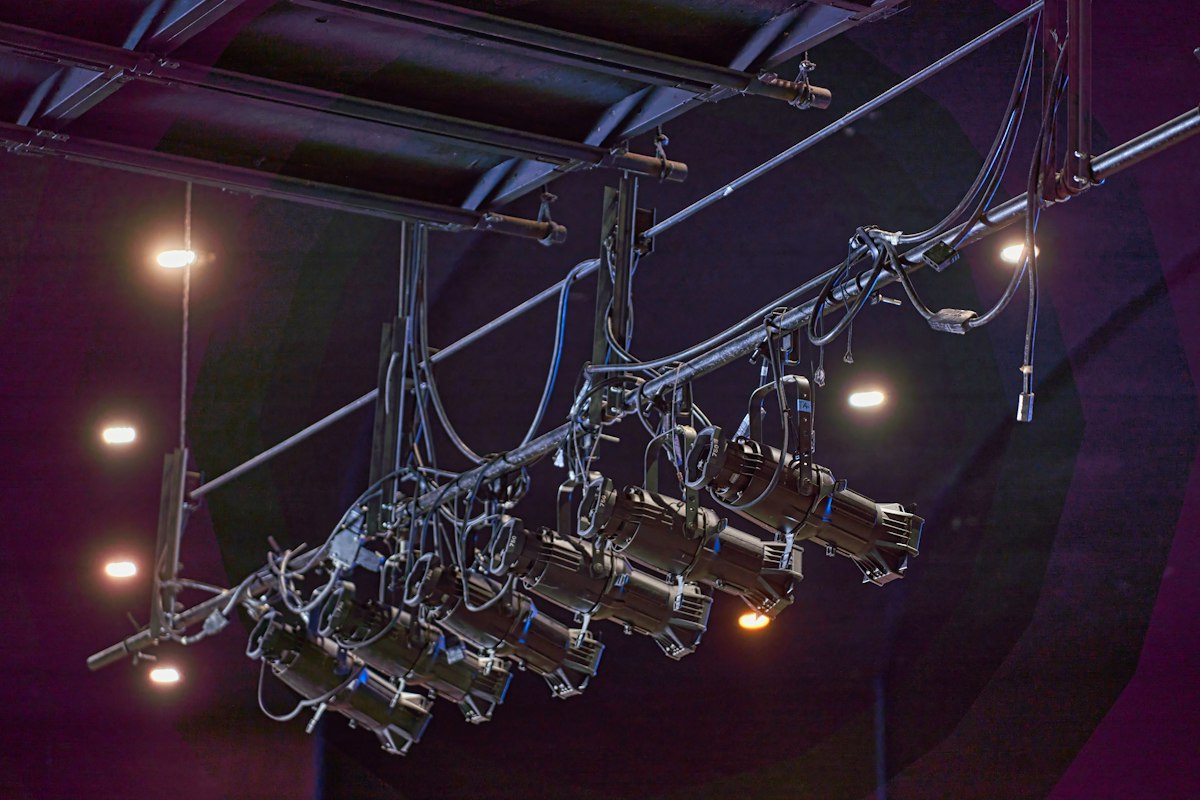
L’achat d’équipement scénique professionnel d’occasion peut aider une salle, une société de production ou un prestataire technique à compléter son parc sans renoncer à des exigences élevées. Encore faut-il comparer les caractéristiques, l’état et les conditions de vente avec méthode. StageMatch est une place de marché B2B consacrée au matériel professionnel de sonorisation, d’éclairage, de vidéo et de scène. Elle rassemble des annonces de matériel de scène d’occasion destinées aux acteurs du secteur et permet d’examiner différentes possibilités d’approvisionnement, des appareils techniques aux solutions de transport.

Les critères à vérifier avant d’acheter du matériel scénique sur StageMatch

Avant de rechercher une console, des projecteurs, des enceintes ou des éléments de structure, il est utile de définir précisément les besoins opérationnels. Le matériel doit correspondre aux prestations prévues, aux dimensions des lieux, aux contraintes de transport et aux équipements déjà présents. Pour un achat professionnel, le prix ne suffit donc pas à déterminer la pertinence d’une annonce : il faut également examiner l’état déclaré, la configuration, les accessoires fournis et la compatibilité avec le parc existant. Cette préparation réduit les risques d’acquérir un appareil difficile à intégrer ou insuffisant pour les usages attendus.

Sur une place de marché spécialisée comme StageMatch, l’acheteur peut parcourir plusieurs familles d’équipement scénique professionnel, notamment le son, la lumière, la vidéo, les flight-cases, le transport, les communications et les réseaux informatiques. Cette diversité est utile lorsqu’un projet exige de renouveler plusieurs éléments ou de trouver une pièce de remplacement. Il convient toutefois de lire chaque annonce individuellement : « bon état » ne remplace pas une vérification détaillée des connectiques, de l’entretien, des traces d’usure et des éléments inclus. Les questions adressées au vendeur permettent de compléter les renseignements avant toute décision.

Comment organiser un achat professionnel sur StageMatch

Une démarche structurée aide à passer d’un besoin technique à une sélection d’annonces réellement pertinentes. Pour chaque équipement, notez les paramètres indispensables et ceux qui peuvent être ajustés : puissance, format, protocole, entrées et sorties, dimensions ou quantité. Comparez ensuite les informations disponibles plutôt que de vous fier à une seule caractéristique. Les étapes suivantes offrent un cadre simple pour préparer l’achat de matériel scénique d’occasion et faciliter les échanges professionnels avec le vendeur.

  1. Définir le besoin : précisez l’usage, les contraintes du lieu, les quantités et les caractéristiques techniques indispensables.
  2. Repérer les catégories : recherchez dans les familles adaptées, du matériel audio et lumineux aux équipements vidéo ou de transport.
  3. Examiner les annonces : comparez l’état indiqué, le prix, la description, les accessoires et les éventuelles pièces fournies.
  4. Demander des précisions : clarifiez l’historique d’utilisation, les tests réalisés, les défauts connus et les modalités de remise.
  5. Valider l’intégration : confirmez la compatibilité avec votre installation et planifiez le transport avant de conclure.
  • Une liste de besoins précise évite les achats inadaptés.
  • La comparaison porte sur l’ensemble de l’offre, pas seulement sur le prix affiché.
  • Les questions au vendeur aident à éclaircir les détails absents de l’annonce.
  • La préparation logistique limite les surprises lors de la réception du matériel.

Comparer concrètement les annonces de sonorisation et de scène

Les annonces donnent un aperçu concret de la variété disponible. À titre d’exemple, StageMatch présente deux caissons de basses Martin Audio S218 Blackline d’occasion, annoncés en bon état à 850 €, ainsi qu’une console de mixage numérique Yamaha CL5 d’occasion, en bon état, à 11 700 €. Ces exemples illustrent des besoins et des budgets très différents : l’un peut compléter un système de diffusion, l’autre représente un investissement central pour le contrôle audio. Dans les deux cas, l’acheteur professionnel gagnera à vérifier la configuration exacte, les accessoires inclus, les conditions de retrait et la possibilité de tester l’équipement.

  • Sonorisation : vérifier les modèles, les quantités, les caractéristiques et les éléments associés.
  • Pièces détachées : une annonce de pièces de rechange Digidesign D-Show, d’occasion et en bon état, est affichée à 123 € ; confirmer leur référence et leur compatibilité.
  • État déclaré : distinguer clairement bon état et état acceptable, puis demander des précisions sur les défauts éventuels.
  • Transport : prendre en compte le poids, les dimensions, l’emballage et les besoins de protection pour les appareils fragiles.

La comparaison doit aussi considérer le coût global d’intégration. Une console ou un projecteur peut nécessiter des câbles, des accessoires, une mise à jour de configuration ou une adaptation du réseau technique. Pour les systèmes de sonorisation, il est pertinent de vérifier la cohérence entre les enceintes et les amplificateurs déjà utilisés. Les flight-cases et solutions de transport méritent la même attention : dimensions intérieures, roulettes, poignées et état des fermetures influent sur la protection du matériel en tournée. En évaluant ces points en amont, l’entreprise peut mieux juger la valeur réelle d’une annonce et organiser une acquisition adaptée à ses activités.

Les bénéfices d’une place de marché spécialisée en équipement scénique

Un environnement consacré au matériel professionnel facilite les recherches en regroupant des équipements conçus pour les réalités de la production, de l’événementiel et de l’exploitation de salles. Les équipes peuvent explorer plusieurs catégories au même endroit et comparer des annonces destinées à des usages techniques, plutôt que de parcourir des offres généralistes peu détaillées. Cette approche est particulièrement utile pour les responsables de parc, les techniciens et les acheteurs qui doivent documenter leur sélection, établir un budget et coordonner plusieurs besoins avant une tournée ou une installation.

  • Choix par domaine : accès à des annonces de son, d’éclairage, de vidéo et d’équipement de scène.
  • Approvisionnement complémentaire : recherche possible de flight-cases, de transport, de communications et de matériel informatique ou réseau.
  • Réemploi professionnel : possibilité d’étudier du matériel d’occasion adapté à des usages scéniques spécialisés.
  • Décision mieux documentée : comparaison des prix, des états annoncés et des détails techniques fournis.

Le matériel de seconde main peut représenter une option pertinente pour compléter un parc, remplacer un appareil ou équiper un projet spécifique, à condition de vérifier l’état et l’adéquation technique. Une annonce claire facilite cette évaluation, mais l’acheteur reste responsable de confirmer les points essentiels avant la transaction. La spécialisation de la place de marché aide à cadrer la recherche, tandis qu’une procédure interne d’approbation permet de vérifier le budget, la compatibilité et les besoins de maintenance. Cette combinaison soutient un achat plus raisonné et limite les décisions prises sur la seule base d’un prix attractif.

Confiance, état du matériel et sécurité de la transaction

L’achat d’équipement scénique professionnel d’occasion demande une attention particulière à la traçabilité et à l’état réel des appareils. Il est conseillé de demander des informations concrètes : dates de maintenance disponibles, conditions de stockage, fréquence d’utilisation, réparations effectuées et défauts connus. Pour les équipements électroniques, examinez les commandes, les écrans, les connecteurs, les alimentations et le comportement en fonctionnement. Pour les éléments mécaniques ou de transport, inspectez les fixations, les roues, les fermetures et les zones d’usure. Lorsque c’est possible, un essai ou des éléments visuels récents peuvent compléter la description et aider à évaluer le risque.

La sécurité de l’achat repose également sur la clarté des échanges entre professionnels. Avant de confirmer, faites préciser par écrit le contenu exact de la vente, le prix convenu, les modalités de paiement, le lieu de remise et la responsabilité du transport. Vérifiez que les références correspondent bien au matériel décrit et que les accessoires annoncés sont présents. Pour un équipement coûteux ou indispensable à une production, prévoyez un contrôle technique à la réception et gardez les documents utiles au suivi du parc. Une place de marché facilite la mise en relation et la découverte d’offres, mais ne dispense pas d’une vérification rigoureuse de chaque transaction.

Pourquoi choisir StageMatch pour équiper un parc scénique

StageMatch peut convenir aux entreprises qui souhaitent rechercher du matériel scénique professionnel d’occasion dans un cadre orienté vers les besoins des métiers techniques. La diversité des catégories permet d’explorer des équipements audio, lumineux et vidéo, mais aussi des accessoires de scène, des flight-cases et des solutions de transport. Pour tirer le meilleur parti des annonces, définissez vos critères avant la recherche, comparez les informations disponibles et demandez les précisions nécessaires au vendeur. Cette méthode donne à l’équipe une base cohérente pour apprécier le coût, l’état annoncé et l’intégration de chaque équipement dans le parc existant.

La décision finale doit tenir compte du cycle de vie du matériel, des contraintes de maintenance et de la disponibilité des compétences nécessaires à son exploitation. Une bonne affaire est celle qui répond à un besoin réel, peut être contrôlée et sera effectivement utilisée dans les productions prévues. En associant une recherche spécialisée à des vérifications techniques et logistiques, les acheteurs B2B peuvent considérer plus sereinement les options d’occasion proposées sur StageMatch et sélectionner l’équipement adapté à leurs activités scéniques.

Retraits et vérification chez Binary Bet, les délais à connaîtreRetraits et vérification chez Binary Bet, les délais à connaître

Chez Binary Bet, un retrait passe par une vérification d’identité avant tout premier paiement, et les plafonds affichés sont de 1 000 € par jour, 3 000 € par semaine et 10 000 € par mois. Le casino appartient à Dama N.V. et détient une licence de Curaçao, qui n’est pas une licence française. Une page comme binnarybetcasinofr.com reprend les grandes lignes de l’établissement, mais c’est dans le cashier du compte que se règlent les demandes.

Le traitement des retraits en cryptomonnaie est annoncé sous 2 heures. Pour les autres moyens de paiement, aucune durée précise n’est publiée : les conditions générales et le service client restent les seules sources fiables sur ce point.

Les chiffres à retenir avant de demander un paiement

  • Plafonds de retrait : 1 000 € par jour, 3 000 € par semaine, 10 000 € par mois, avec des limites plus élevées pour les paliers VIP.
  • Vérification KYC obligatoire avant le premier retrait.
  • Retraits en cryptomonnaie annoncés sous 2 heures.
  • 3x de playthrough sur les montants déposés avant de pouvoir retirer.
  • Opérateur Dama N.V., licence de Curaçao.

Comment demander un retrait, étape par étape

  1. Ouvrez votre compte et vérifiez que le solde disponible correspond à de l’argent réel, distinct des fonds de bonus encore soumis à conditions.
  2. Rendez-vous dans le cashier et choisissez le moyen de paiement de votre retrait. Cryptomonnaies, Skrill, Neteller, virement bancaire ou PayPal figurent parmi les options proposées.
  3. Transmettez les pièces demandées pour la vérification d’identité. Le casino réclame ces documents au cas par cas, avant le premier paiement.
  4. Saisissez le montant souhaité en tenant compte du plafond quotidien de 1 000 €. Un gain plus important se retire sur plusieurs jours.
  5. Validez la demande et suivez son statut depuis l’espace compte. Le service client, joignable 24h/24 par chat et par e-mail, peut renseigner sur l’avancement.
  6. Pour un paiement en cryptomonnaie, contrôlez l’adresse du portefeuille avant confirmation : une transaction envoyée ne se reprend pas.

Les pièges qui allongent le délai de paiement

  • Un bonus en cours bloque le retrait tant que les conditions de mise ne sont pas remplies. Le playthrough standard est de 30x, appliqué séparément au dépôt et au bonus, et le bonus reste valable 7 jours.
  • La mise maximale pendant le wagering est fixée à 5 €. Un pari au-delà peut compromettre le bonus et, avec lui, le retrait prévu.
  • Tous les jeux ne comptent pas de la même façon dans les conditions de mise. Une session passée sur un titre à faible contribution avance moins vite qu’annoncé.
  • Les free spins sur Gates of Olympus imposent 35x de wagering et plafonnent le gain à 50 €. Ces gains ne pèsent pas lourd face au plafond de retrait quotidien.
  • Le playthrough de 3x sur les dépôts retarde la sortie de l’argent déposé, même sans bonus actif.

Un joueur qui dépose 100 € avec le bonus de premier dépôt doit miser 100 € au titre du dépôt et 100 € au titre du bonus, soit 200 € au total, avant que le retrait devienne possible. Le calcul est simple, l’ordre des opérations l’est moins : mieux vaut terminer ses conditions de mise avant de demander le moindre paiement.

Le jeu d’argent reste réservé aux personnes majeures, donc 18+. Si le jeu cesse d’être un loisir, des services d’aide gratuits et confidentiels existent dans votre pays ; ne jouez qu’avec de l’argent dont vous pouvez vous passer, et ne déposez jamais plus que prévu sous prétexte de débloquer un bonus.

Ce que les joueurs demandent sur les retraits

Combien de temps prend un retrait en bitcoin ?

Le casino annonce un traitement sous 2 heures pour les retraits en cryptomonnaie. Le délai de confirmation sur la blockchain s’y ajoute, sans qu’aucune durée ne soit publiée à ce sujet.

Pourquoi le premier retrait est-il plus long ?

La vérification d’identité intervient avant le premier paiement. Les documents réclamés varient selon le dossier, et le casino les demande au cas par cas.

Que se passe-t-il si je retire avec un bonus actif ?

Le retrait reste bloqué tant que les conditions de mise ne sont pas remplies, avec un wagering de 30x sur le dépôt et le bonus séparément. La validité du bonus est de 7 jours, ce qui laisse peu de marge pour cumuler les mises.

Ce qui distingue Binary Bet sur les paiements

La liste des moyens de paiement est l’un des vrais atouts du site : Visa, Mastercard, Skrill, Neteller, PayPal, Revolut, Paysafecard, virement bancaire, Apple Pay et plusieurs cryptomonnaies, dont Bitcoin, Litecoin, Ethereum et Bitcoin Cash. Pour un joueur qui tient à sortir ses gains rapidement, l’annonce d’un traitement sous 2 heures en cryptomonnaie est l’argument le plus concret de la fiche.

Notre préférence va aux retraits en cryptomonnaie, précisément parce que c’est le seul canal pour lequel une durée de traitement est annoncée. Ailleurs, le joueur avance sans repère chiffré.

Le programme VIP ajoute des limites de retrait plus élevées, des retraits plus rapides et un gestionnaire de compte dédié. Le cashback hebdomadaire monte jusqu’à 25 % selon le palier, et le cashback live casino de 10 % est versé sans conditions de mise, ce qui change la donne sur l’argent réel disponible.

Les plafonds restent la limite principale : 1 000 € par jour, c’est peu pour un gros gain, et un retrait de 10 000 € s’étale sur dix jours au rythme quotidien. Le support, par ailleurs, fonctionne surtout en anglais.

Licence, opérateur et ce qu’il reste à vérifier avant de déposer

binnarybetcasinofr.com est exploité par Dama N.V. sous une licence de Curaçao, qui n’émane pas de la France. Le site est en anglais, ce qui compte au moment où un litige sur un retrait doit se régler avec le support.

Avant de déposer, un joueur peut consulter les conditions générales sur les délais de paiement par méthode, vérifier dans le cashier les documents réclamés pour son dossier, et lire les conditions du bonus pour connaître le montant exact à miser. Le chat et l’e-mail répondent 24h/24 pour ces questions.

Notre verdict sur ce point précis : la mécanique de retrait est lisible, avec des plafonds affichés et une vérification annoncée d’emblée, mais le 3x de playthrough sur les dépôts et le plafond quotidien de 1 000 € pèsent sur les gains importants. Préparez vos documents et votre moyen de paiement avant de miser le premier euro.

Ce texte s’appuie sur ce que l’opérateur indique et sur les avis publics et rapports de joueurs disponibles ; nous n’avons effectué ni dépôt ni retrait nous-mêmes, et il a été mis à jour en novembre 2026. En cas d’écart entre ce texte et les conditions de l’opérateur, ce sont ces dernières qui s’appliquent.

Red Stag Casino and the Short-Burst Mobile Session HabitRed Stag Casino and the Short-Burst Mobile Session Habit

There’s a particular rhythm to how a lot of players actually use Red Stag Casino. It isn’t the marathon grind you see in screenshots. It’s the two-minute check while the kettle boils, the quick spin between meetings, the ten-minute wind-down before bed. This piece is about that pattern: mobile-first, brief, repeated visits where the goal is a fast outcome rather than a long haul. If you’re the type who opens a lobby, plays a handful of rounds, and closes the tab, you’ll recognise the flow described here. For a broader overview of the platform itself, a Red Stag Casino review Australia review Australia players rely on will cover banking and licensing, but this article sticks to the behaviour.

The Anatomy of a Two-Minute Visit

Short sessions have their own internal logic. There’s no settling in, no building a plan across an hour. The player arrives with intent: pick something familiar, spin, see what happens, leave.

What that looks like in practice:

  • Open the browser on the phone, log in, land in the lobby within seconds.
  • Skip browsing entirely — most short-session players return to the same two or three titles.
  • Set a stake, run a small batch of spins, decide quickly whether to continue.
  • Close the tab the moment the balance dips below a self-imposed line.

The decision-making is compressed. A player might choose a stake level in three seconds flat, based purely on what they used last time. There’s no spreadsheet, no calculated bet-sizing ladder. It’s gut feel, repeated until it becomes a habit.

This is where the no-download, browser-based setup matters more than any feature list. Nothing interrupts the burst. No app store detour, no update prompt. The session starts and ends inside the same browser window, which suits a player who never intended to stay long in the first place.

Why Quick Titles Suit a Quick Mindset

The game library here leans heavily on slots and instant-format games, and that suits the short-burst player down to the ground. Keno, scratch cards, and fast-reel slots all deliver a result without demanding attention across dozens of spins.

Instant formats and the appeal of a fast answer

A game like High Voltage Keno or a scratch card is almost tailor-made for the two-minute visit. You pick numbers or scratch a panel, the outcome lands, and you’re done. There’s no bonus round to sit through, no free-spin sequence stretching across five minutes. For someone squeezing in a session on a lunch break, that brevity is the whole point.

Slots work slightly differently but serve the same need. Titles such as Fruit Blitz or 7x Lucky Sevens are easy to read at a glance — recognisable symbols, straightforward paylines — so a returning player doesn’t need to re-learn anything. The familiarity is the feature. You know what you’re getting before the first spin resolves.

Players in this pattern tend to rotate between a small handful of games rather than exploring. They’ll open Red Stag’s Bigfoot Expedition, give it twenty spins, then switch to something else for the next burst. Variety happens across sessions, not within them.

Stake Choices Made in Seconds

Ask a short-session player how they pick their bet and you’ll rarely get a strategic answer. It’s usually something like “whatever I used last time” or “the middle option.” The stake gets set once and left alone for the duration of the burst.

That said, there is a kind of informal risk control at work. Many players in this pattern keep their per-spin stake low relative to their session budget, precisely because they want the visit to last a few minutes rather than thirty seconds. A player depositing a modest amount and planning five quick sessions across a day will stretch it thinner than someone dumping it all into one high-variance run.

There’s also a stopping rule, often unspoken. Some players quit the moment they’re up a set amount — double the session’s starting balance, say — and close the tab without a second thought. Others stop at a fixed loss and walk away. Either way, the decision is made fast, in the moment, not plotted in advance.

This is the essence of controlled risk-taking with frequent small decisions: lots of tiny calls, each one cheap, none of them agonised over.

Repeated Visits and the Comfort of Routine

What separates this pattern from pure impulse play is repetition. The same player might visit four or five times in a day, each time for a few minutes. Over a week, that adds up to a meaningful amount of play — but it never feels like a long session.

The routine usually looks like this:

  1. A quick login check, sometimes just to see the balance.
  2. One or two games, played with a preset stake.
  3. A short burst of spins or a single keno draw.
  4. An exit that’s just as abrupt as the entry.

Because the platform runs in a mobile browser, these visits can happen anywhere — waiting for a bus, queuing for coffee, sitting through a slow meeting. The frictionless entry is what makes the habit stick. If logging in took two minutes, the visits would stop happening.

Players in this rhythm also tend to notice small things: a new game appearing in the lobby, a promotion banner, a change to a favourite title. They’re not reading terms and conditions, but they are aware of what’s on the front page. That low-level awareness is how they decide what to try next, without ever committing to a deep dive.

Where the Welcome Bonus Fits — or Doesn’t

Here’s the honest truth about short-session players and sign-up offers: most of them don’t engage with the full package. A seven-deposit welcome structure is built for someone planning a longer relationship with the platform, not someone dropping in for ten minutes at a time.

In practice, a short-burst player might take the first deposit offer, play through it across several quick visits, and then forget the rest exists. The wagering requirements alone tend to discourage the casual visitor from chasing every stage. That’s fine — the bonus isn’t the point for this player type. The point is having something to do for a few minutes.

Some will use ongoing promotions opportunistically. A daily reload or a weekend bonus can nudge a player into an extra visit they weren’t planning. But the motivation stays the same: a short, sharp session, not a bonus-hunting expedition. If you want the full breakdown of tiers and percentages, that’s a job for a dedicated review — this article is about behaviour, not offers.

The Mobile Reality Behind the Habit

None of this pattern works without a platform that loads fast and plays cleanly on a phone. The browser-based approach here means the full lobby, banking, and support are all reachable without an app, which keeps the barrier to a quick visit low.

What matters to the short-session player, in order:

  • Speed of loading — a slow lobby kills the impulse.
  • Touch-friendly controls — stake buttons that don’t require precision tapping.
  • Session persistence — staying logged in between visits where possible.
  • Clean exits — no pop-ups blocking the way out.

Get those right and the habit reinforces itself. Get them wrong and the player simply stops opening the tab. It really is that binary for this audience. They’re not loyal in the traditional sense; they’re habitual, and habits are fragile.

One more thing worth noting: short-session players rarely use support. They don’t have time for a chat queue during a two-minute visit. If something breaks, they close the tab and come back later. That’s the trade-off of the pattern — convenience over depth.

Ready to Try a Quick Session? Here’s Your Move

If this sounds like your style — brief visits, fast outcomes, stakes set in seconds — then the platform is built for exactly that rhythm. Open the lobby in your mobile browser, pick a familiar title, and see how a two-minute session feels. No download, no commitment, no long sit-down required.

Get Your Bonus Now and test the short-burst approach for yourself. Keep your stakes small, your sessions short, and your exits clean — that’s the whole philosophy in three lines.

Software reliability check MAGICQA20261102 00038Software reliability check MAGICQA20261102 00038


Software reliability checks help teams determine whether an application continues to behave correctly under normal use, heavy demand, and unexpected conditions. This technical guide uses MAGICQA20261102 as a temporary publication test label, not as a product name or quality certification. It explains how to define reliability expectations, design repeatable checks, interpret results, and protect test evidence. A disciplined approach helps software quality assurance teams use quality assurance 00038 practices to discover failures early and make evidence-based release decisions without treating a single successful test as proof that software will never fail.

What teams need to understand before a software reliability check

Software reliability is the ability of a system to deliver its expected functions consistently over a defined period and under stated conditions. A reliability check therefore asks more than whether an application starts or whether one feature works once. It examines whether important workflows remain correct across repeated use, whether the system recovers from faults, and whether performance stays within agreed limits. The answers depend on the application’s intended use, its architecture, and the consequences of failure. Teams should document these conditions before testing so that findings can be interpreted against a meaningful, shared standard.

Reliability is related to, but distinct from, general software quality. Functional testing checks whether specified behavior is present; reliability testing focuses on how consistently that behavior holds over time and through changing conditions. For example, a service may return the correct result in a brief functional test but fail after a long-running workload, a dependency interruption, or a sudden increase in requests. A useful quality assurance plan combines these perspectives and traces each check to a risk, requirement, or operational expectation. The temporary label MAGICQA20261102 can identify test materials, but it does not replace test criteria, results, or review.

How to plan a software reliability check

Begin with a clear scope: identify the system version, environment, workflows, dependencies, and reliability risks to examine. Define measurable pass conditions in advance, including acceptable error rates, recovery behavior, and test duration where appropriate. Keep the process repeatable by recording configurations and using controlled test data. The following sequence gives a practical starting point for a quality assurance team; it should be adapted to the system’s architecture and risk profile rather than applied as a universal recipe.

  1. Set reliability objectives: State which user-visible functions must remain available and correct, and define measurable thresholds for failures, recovery, and response time.
  2. Map critical paths: Trace important workflows through application components and external dependencies, noting where a fault could interrupt or corrupt results.
  3. Prepare a controlled environment: Record the software build, configuration, infrastructure, test data, and dependency versions so a later run can be compared fairly.
  4. Run repeated and fault-focused checks: Exercise representative workloads over time, then introduce approved interruptions or resource constraints to observe system behavior.
  5. Review evidence and retest: Compare results with the stated objectives, document defects and limitations, and rerun relevant checks after changes.
  • Predefined thresholds make pass and fail decisions less subjective.
  • Recorded environment details help teams reproduce intermittent defects.
  • Fault-focused scenarios reveal recovery gaps that ordinary feature checks may miss.
  • Retesting confirms whether a corrective change improved the observed behavior.

Practical methods for testing software reliability

A practical reliability program combines several test methods because no single technique exposes every failure mode. Repeated execution can reveal defects that emerge only after time or accumulated state changes. Load and endurance tests help determine whether service behavior degrades under sustained or increased demand, while recovery checks examine what happens after a process restart, network interruption, or unavailable dependency. Fault injection should be controlled, authorized, and limited to a suitable test environment. Teams should capture application logs, system metrics, timestamps, and relevant traces so that a failure can be connected to its conditions rather than described only as an unexpected result.

  • Endurance checks: Run representative workflows for an agreed period to find resource leaks, state buildup, or gradual performance decline.
  • Recovery checks: Interrupt a process or dependency in a controlled setting and verify that service restoration does not lose or duplicate work.
  • Workload variation: Test typical and peak patterns to identify reliability limits and changes in error behavior.
  • Data integrity checks: Compare input, stored, and returned data to detect omissions, duplication, or corruption during failure and recovery.
  • Observability review: Confirm that logs and metrics provide enough detail to diagnose incidents without exposing sensitive information.

For the MAGICQA20261102 test materials, teams can use the label consistently in run notes, test reports, and evidence filenames to distinguish the temporary publication test from other work. The label should not be embedded in production behavior or treated as a substitute for a unique build identifier. A reliable record includes the objective, setup, test steps, observed outcome, timestamps, relevant measurements, and any deviations from the plan. When an intermittent failure occurs, preserve the original evidence before changing the environment. Then repeat the scenario under controlled conditions and record whether the issue recurs, while avoiding unsupported claims based on a single run.

Key benefits of software reliability testing

Well-designed reliability checks give engineering and quality assurance teams practical evidence about how a system behaves beyond a short, idealized test. They can surface weaknesses early, when fixes are easier to assess, and help teams focus attention on workflows where interruption or incorrect results would matter most. These checks also improve communication between development, testing, and operations by tying observed behavior to defined expectations. Their value depends on suitable scenarios, representative environments, and honest reporting: passing a test means the system met specified conditions during that run, not that every future failure has been eliminated.

  • Earlier risk discovery: Repeated and fault-focused tests can reveal reliability issues before release decisions are made.
  • More informed release reviews: Measured outcomes allow reviewers to compare performance with documented acceptance criteria.
  • Improved recovery design: Observed interruptions show whether restart, retry, and fallback behavior work as intended.
  • Stronger reproducibility: Recorded configurations and evidence help teams investigate defects consistently across runs.

These benefits grow when reliability checks are included throughout the development cycle instead of being reserved for a final review. Smaller, focused runs can provide feedback after meaningful changes, while broader endurance and recovery exercises can be scheduled for appropriate milestones. Teams should also revisit their test scenarios as architecture, usage patterns, and dependencies change. A check that once represented a critical risk may become less relevant, while a new service connection or data flow may introduce a failure path that was not previously considered.

Trust, security, and evidence in reliability checks

Reliable results depend on trustworthy test practices. Use an authorized, isolated environment for disruptive scenarios, and protect test data according to its sensitivity. Avoid using real personal information when synthetic data can exercise the same behavior. Limit access to reports and diagnostic records, since logs may contain credentials, identifiers, or internal system details. Make sure that the test setup does not unintentionally affect live services or unrelated users. These safeguards are part of software quality assurance: a test should produce useful evidence without creating avoidable operational, privacy, or security risks.

Evidence should be complete enough for another reviewer to understand what was tested and why. Include the build or revision, configuration, environment, test duration, workload profile, expected outcome, observed outcome, and relevant monitoring data. Note failed runs and unexplained anomalies rather than omitting them from a summary. Separate measured facts from interpretation, and state limitations such as incomplete coverage or unavailable dependencies. The MAGICQA20261102 label can help identify this temporary publication test, but reports should also carry suitable dates and system identifiers. This careful recordkeeping supports reproducibility and prevents a test label from being mistaken for proof, approval, or certification.

Choosing a useful software reliability check

Choose reliability checks according to the system’s risks, not merely because a particular test is familiar or easy to automate. Start with the functions whose failure would cause the greatest disruption, then select scenarios that exercise their dependencies, data handling, and recovery paths. Confirm that every check has a defined purpose, measurable criteria, and a safe execution plan. Review whether the chosen workload and environment resemble expected use closely enough to make the result meaningful. If a check cannot be repeated or its outcome cannot be interpreted, improve its setup and evidence before relying on it in a release decision.

A sound decision also weighs results alongside other quality evidence, including functional coverage, security review, and operational readiness. Record unresolved risks and explain whether they are accepted, mitigated, or blocking further work; do not reduce a complex reliability assessment to a single pass label. For teams using MAGICQA20261102, keep the temporary identifier limited to publication-test documentation and maintain the underlying technical details independently. In 2026, as in any development cycle, the dependable practice is to state what was tested, what the evidence showed, and what remains uncertain. That clarity makes reliability checks more useful to both engineers and reviewers.

Slot Mafia Casino: Quick-Hit Sessions for Players Who Want Fast AnswersSlot Mafia Casino: Quick-Hit Sessions for Players Who Want Fast Answers

Some players open a casino lobby the way others check a scoreboard. They want a result, and they want it now. That short-attention rhythm is the whole story at Slot Mafia Casino, where thousands of titles sit behind a browser tab and most visits last minutes rather than hours. A proper Slot Mafia Casino review Australia players can trust should start there, with how the site actually gets used, not with a wall of bonus terms.

This piece looks at one behaviour pattern only: the rapid, high-intensity session. Small deposits, fast spins, immediate cashouts. If that sounds familiar, read on. If you prefer marathon grinds, this angle won’t describe you.

The Anatomy of a Five-Minute Visit

Picture the typical login. Someone has a coffee going and ten minutes before a meeting. They open Slot Mafia Casino review Australia Login, land in the lobby, and skip straight past the categories they don’t care about. No browsing the live dealer floor. No reading FAQ pages.

The pattern repeats in a predictable shape:

  • Deposit a modest amount, often through crypto because it clears instantly
  • Pick one or two slots from a familiar provider and set a spin size
  • Run twenty to sixty spins, watching for a feature trigger
  • Cash out whatever remains, or lose the float and close the tab

What makes this style work at Slot Mafia Online is the sheer density of the library. Six thousand games means a player can rotate through Hacksaw, Nolimit City, and Push Gaming without ever repeating a title in a week of short visits. The lobby search bar gets more use than any category menu. Players type a game name, hit enter, and they’re spinning within seconds. That frictionless path from login to reels is the real product here, more than any single slot.

Why the Game Mix Suits Impatient Play

Not every game type fits a quick-hit mindset. Baccarat and blackjack reward patience and bankroll planning. Crash games and scratch cards, by contrast, resolve in seconds and ask nothing of the player beyond a stake and a click. Slot Mafia Casino Games lean heavily toward that instant-resolution end of the spectrum.

The slots catalogue carries the load. Providers like Big Time Gaming and ELK Studios build volatility into their maths, and high-volatility titles are exactly what short-session players gravitate toward. They aren’t chasing a slow grind. They want the possibility of a single spin that changes the session’s outcome.

Where the fast formats fit

Keno and scratch cards rarely get a mention in reviews, yet they’re quietly ideal for this behaviour. A round takes seconds. There’s no bonus round to sit through, no free spin sequence to trigger. Crash games add a timing decision to the mix, which suits players who like an active hand on the wheel rather than a passive spin.

Live casino sits at the opposite end. It’s slower, social, and built around waiting for other players. Short-session visitors tend to poke their head in, watch a round or two, and leave. That’s fine. The platform doesn’t force a choice between formats, and the mobile browser layout makes hopping between them painless.

Bankroll Discipline When Every Session Is Short

Here’s the quiet advantage of the rapid-session style: losses stay small by design. A player who deposits twenty euros and spins at fifty cents a spin has forty rounds of runway. When the session ends in five minutes either way, there’s no time to chase.

The risk sits elsewhere. Fast sessions encourage fast reloads. Lose the float, close the tab, reopen it ten minutes later with another deposit. That loop is where short-session players get into trouble, and it’s worth naming plainly.

A few habits keep the pattern healthy:

  • Set a daily cap before the first deposit, not after the third
  • Use the cashout button the moment a session turns profitable
  • Treat crypto deposits as convenient, not frictionless enough to repeat mindlessly
  • Skip the reload offers unless the wagering fits a short session, which at 50x it usually doesn’t

The welcome package, up to €25,000 plus 350 free spins across four deposits, looks enormous. For a quick-hit player it’s mostly noise. The 50x wagering on deposit and bonus means clearing it requires sustained play, the opposite of the five-minute visit. Many short-session regulars simply decline bonuses and play with clean cash. That choice costs them free spins but buys them instant withdrawal eligibility, which matters more when you want your money back within the hour.

Mobile-First, App-Free, and Fine With That

There’s no Slot Mafia Casino App, and for this play style that’s barely a complaint. The site runs in a mobile browser, loads fast, and remembers a session well enough. A player on a train can open a tab, spin for three minutes, and close it before the next stop.

The instant-play approach removes the download friction that would otherwise kill a spontaneous session. No update prompts. No storage warnings. Just a URL and a login.

Payment handling matters just as much. Deposits are usually instant, and e-wallet and crypto withdrawals start from as little as €20. Verified accounts are advertised for 24-48 hour processing, though player reports on payout speed are mixed, with some citing delays and verification friction. A quick-session player feels that friction more sharply than anyone, because the whole point is getting in and out. The practical advice is boring but real: verify the account early, before the first withdrawal request, so a fast session doesn’t stall at the cashier desk.

Support when a session goes sideways

24/7 live chat exists, and short-session players use it in bursts, usually mid-withdrawal. Response quality reportedly varies. Keep expectations modest and screenshot everything.

Reading the Fine Print Before the First Spin

Slot Mafia Casino operates under a Curaçao Gaming Control Board licence through Hollycorn N.V., and the terms have drawn criticism, including a flag from Casino Guru over fairness concerns. For a player who values speed, terms matter because disputes cost time. The max bet on bonus play is €5, free-spin winnings are capped at €1,000, and the monthly withdrawal ceiling sits at €20,000. None of these will trouble a twenty-euro session player. All of them will trouble someone who hits a big win on a bonus and then reads the rules for the first time.

The responsible gambling tools are described as limited, which is a genuine concern for exactly this audience. Fast sessions plus easy reloads plus thin safeguards is a combination worth watching in yourself. Set your own limits, because the platform may not do it for you.

Ready to Spin Fast? Set Your Limits First

Slot Mafia Casino rewards a specific kind of player: the one who wants a result in minutes, not hours. The library is deep, the mobile experience is smooth, and the cashier moves quickly when everything lines up. Whether that suits you depends entirely on how you handle the reload impulse. Decide your cap, verify your account, and keep sessions short on purpose rather than by accident. Then take the platform for a spin and see if the quick-hit rhythm fits. Get Bonus 100% and 200 Free Spins, and treat every session like the five-minute burst it is.